All Categories
Featured
Table of Contents
Authority needs to support the pages that matter instead of drifting around the website detached from earnings. Rankings and traffic matter, but they are inadequate. eCommerce SEO should be determined by the service results it can affect. Track: Organic earnings. Transactions. Typical order worth. Conversion rate by landing page type.
Rankings for priority classifications, items, and material. Assisted conversions where offered. Product and classification pages gaining or losing traffic. Index coverage and crawl signals. Technical repairs delivered. Content, schema, and internal-link updates shipped. GA4, Browse Console, rank tracking, crawl information, and platform earnings reports each reveal a different part of the image.
If a category climbs up from position 12 to position 5 however income does not move, look at intent, product mix, prices, accessibility, SERP design, and conversion friction. If earnings enhances while rankings remain flat, search for long-tail development, better bits, higher conversion rate, or paid and natural interaction. The objective is not a prettier dashboard.
Smart Growth Tactics in the 2026 LandscapeAn eCommerce SEO method is a prepare for improving how an online shop appears in organic search. It normally includes keyword mapping, classification and item page optimization, technical SEO, structured data, content, internal links, link earning, CRO, and reporting tied to organic earnings. SEO for eCommerce needs to manage brochure intricacy.
Building a Successful Influencer Partner Strategy
A typical service website generally has fewer design templates, fewer replicate URL dangers, and less product-data reliances. Both matter, but category pages typically target more comprehensive commercial demand while item pages target specific product, model, SKU, and alternative searches. The ideal strategy maps keywords to the page type that best matches intent.
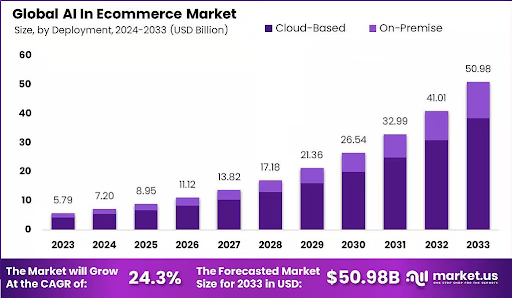
Maker descriptions, thin copy, missing out on specs, weak images, and poor internal links make an item page hard to differentiate from every other reseller. Large catalogs might utilize scalable design templates and guidelines, however the material still needs to be helpful and precise. AI Overviews and AI Mode do not need a different optimization trick.
For eCommerce websites, that means crawlable pages, helpful text, precise product data, structured information that matches visible content, strong internal links, excellent page experience, and clear responses that can support complicated shopping questions. Some technical and on-page repairs can show early movement within a few months, especially when essential pages are blocked, slow, duplicated, or badly targeted.
Think about outside assistance when the catalog has grown out of easy SEO jobs, organic revenue is flat, technical problems keep returning, platform modifications require SEO oversight, or your team requires technique plus implementation assistance. OuterBox constructs eCommerce SEO services around brochure structure, technical SEO, material, CRO, authority, and profits reporting.
Mastering Data Guides for Store Growth
E-commerce SEO is a marketing method used to get more traffic to your shop by making it more noticeable on search engine result pages (SERPs). A well-ranked page will get more traffic, so you want your page to rank as high as possible. Unlike paid advertisements, which drive traffic to your web shop by making you pay per click, SEO allows you to record highly relevant traffic at essentially no charge.
It's possible to enhance your e-commerce SEO through comprehensive web store product pages, optimized product descriptions, by executing a blog site, or by running a technical audit of your site. For your websites to rank greater in SERPs, you need to guarantee your website is enhanced for online search engine. Here are a few examples on what this appears like: The keywords you utilize to target pagesThe technical setup of your web storeWhether your web store is mobile friendlyThese all have an effect on your e-commerce SEO and whether your web pages will rank in SERPs like Google.
This also indicates that your customer might require more time, details and material before purchasing decision.: The objective of B2B SEO material tends to be educational/informational, while B2C SEO tries to activate a purchase.: Given that B2B and B2C have such various objectives, their KPIs vary likewise. Whereas B2B SEO success is determined by lead generation, conversion rate, earnings and client life time value, B2C SEO is more quickly measured by traffic and average order value.
Optimize the technical part of your web shop: like for instance HTTPS, mobile-friendliness, page speed, indexation, XML sitemap (this is the index for Google), etc. Google leverages user statistics to identify which websites will rank on their online search engine and in which order. This includes time on page, bounce rate, conversion rate, load time, etc.
Can Deep Analytics Improve Store ROI?Maximizing Shop Rankings
You require to think about which internal links (from within your website) and external links (from other sources) you connect to and from. You likewise require to keep on top of other resources connecting back to you for authority.

Latest Posts
Mastering the Next Social Advertising Trends
Harnessing Predictive Analytics for Better Marketing
Improving Online SEO Visibility for Proven Growth